


Picture this: You are a local home improvement business—perhaps a roofing company, a skilled electrician, a reliable plumber, an innovative home remodeler, or a creative landscaper. Your craftsmanship is unmatched, your customer service impeccable, but somehow, your digital presence doesn’t reflect the quality of work you provide. This disconnect may be costing you potential clients. In today’s digital age, a high converting website for local home improvement companies isn’t just a luxury; it’s a necessity. It’s the bridge that connects your top-notch services with the local homeowners in need.
Statistics reveal that nearly 75% of consumers judge a company’s credibility based on their website design alone. If your website isn’t converting visitors into customers, it might be time to rethink your strategy. This blog post will delve into specific strategies that can help transform your online space into a dynamic hub of engagement and sales. Discover how to make your website not only a reflection of your professional integrity but also a 24/7 powerhouse that drives local business growth.
Understanding the Importance of a High Converting Website
Your website often serves as the first point of contact between your home improvement business and potential clients. Whether you’re a roofing company showcasing storm-damage repairs, an electrician highlighting electrical safety audits, or a plumber demonstrating leak repair expertise, your site must immediately communicate trust and competence. A high converting website for local home improvement companies transcends mere aesthetics—it’s a functional, intuitive platform designed to guide visitors toward making contact, requesting estimates, or booking services.
Consider the homeowner who urgently needs a reliable plumber after discovering a burst pipe at midnight. An outdated site with slow load times and confusing menus will drive them away. Conversely, a polished, responsive layout with clear calls-to-action (CTAs) can turn that stressed homeowner into a booked client within minutes. The difference between a competitor’s website that captures the job and yours often comes down to strategic design decisions—elements that directly impact your bottom line.
Beyond immediate conversions, a well-optimized website also enhances your brand reputation. When local customers find your home remodeler portfolio loading seamlessly or your landscaper gallery displaying vibrant before-and-after images, they’re more likely to perceive your company as professional and dependable. In an industry where word-of-mouth and local reputation are critical, your website becomes both a sales funnel and a marketing asset, reinforcing your expertise in every click.
Key Elements of a Successful Website Design for Local Home Improvement Companies
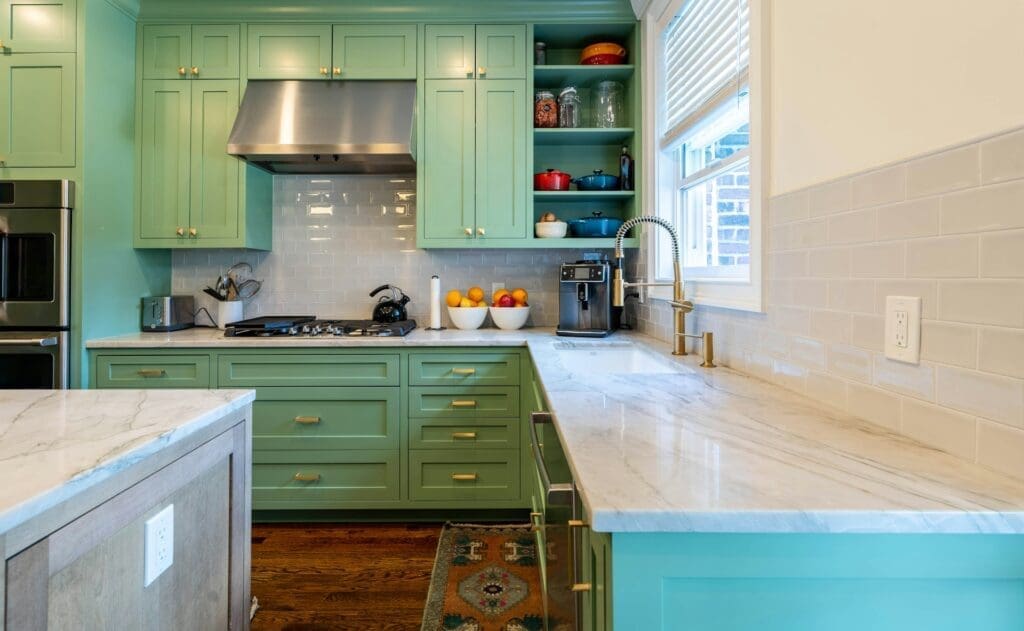
To craft a high converting website for local home improvement companies, you must integrate design elements that speak directly to your target audience’s needs. From bold, eye-catching hero banners showcasing a recent roofing overhaul to easy-to-read typography that highlights your electrician certifications, every design decision has a purpose. The goal is to blend visual appeal with clear functionality so prospective customers feel informed and confident.
Core design elements include a clean, uncluttered layout, easy-to-find contact information, and strategically placed CTAs. For instance, a strategically positioned “Get a Free Quote” button on your plumber service page can dramatically improve lead generation. High-quality imagery of completed projects—whether a backyard transformation by a landscaper or a kitchen renovation by a home remodeler—builds trust and demonstrates your company’s capabilities. Color schemes should align with your brand identity while ensuring readability and accessibility for all users.
Navigation plays a pivotal role, too. Users should be able to locate service pages, testimonials, and contact forms within two clicks. Incorporating trust signals—like licensing badges, affiliation logos, and awards—further bolsters credibility. Finally, thoughtful use of whitespace prevents visual overload and guides the visitor’s eye to the most critical elements, such as your phone number or inquiry form. Together, these key design elements form the foundation of a website that converts casual browsers into committed clients.
Crafting Compelling Content to Engage Local Homeowners
Content is the heart of any high converting website for local home improvement companies. Whether you’re an electrician explaining the benefits of surge protection or a landscaping company detailing seasonal planting tips, your words must resonate with homeowners’ challenges and aspirations. A clear, conversational tone helps build rapport, while informative sections answer common questions before prospects even need to ask.
Start by defining your audience’s pain points—leaky roofs after a storm, flickering lights, outdated kitchen layouts, or a yard that lacks curb appeal. Use your blog or service pages to offer actionable advice, such as how to spot signs of roof damage or the importance of GFCI outlets in bathrooms. This educational approach positions you as a trusted advisor, making it more likely that visitors will choose your services when ready to hire.
Integrate keywords naturally—mention “high converting website for local home improvement companies” within your mission statement or about page to emphasize your digital strengths. Also, leverage storytelling: share case studies of a recent home remodeler project or an electrician’s emergency service success. This narrative style engages emotions, helping homeowners envision their own problems solved by your expertise. Well-crafted content not only attracts and retains visitors but also guides them smoothly toward conversion.
Implementing User-Friendly Navigation for Seamless Browsing Experience

Effective navigation ensures that local homeowners find what they need quickly, whether it’s a gallery of your latest landscaping designs or a contact form for urgent plumbing services. By organizing your menu into intuitive categories—such as “Services,” “Projects,” “Testimonials,” and “Contact”—you reduce friction and keep visitors engaged. A high converting website for local home improvement companies hinges on this seamless browsing experience.
Dropdown menus can neatly group services by category, for instance, dividing roofing into “Repairs,” “Installations,” and “Inspections.” Use breadcrumb trails to help users understand their location within your site, especially if you feature extensive blog posts or detailed project portfolios. Consistent placement of navigation elements—whether in a sticky header or a sidebar—ensures users never feel lost, fostering confidence and encouraging longer visits that ultimately boost conversions.
Optimizing Your Website for Local SEO to Attract Targeted Traffic
Local SEO is essential for positioning your roofing company, electrician, plumber, home remodeler, or landscaper at the top of search results when nearby homeowners seek services. Start by claiming and optimizing your Google My Business listing, ensuring your address, hours, and contact details are accurate. Embed a Google Map on your contact page for added convenience.
Incorporate geo-targeted keywords—like “emergency plumber in” or “residential electrician near me”—throughout your site’s meta titles, headers, and image alt text. Create locally focused content, such as blog posts addressing common seasonal home improvement concerns in your region. These strategies not only improve your visibility in search but also signal to Google that your business is relevant to local queries, driving high-intent traffic directly to your doorstep.
Leveraging Testimonials and Case Studies to Build Trust
Nothing convinces a prospective client more effectively than hearing from satisfied homeowners. Displaying testimonials prominently on your homepage or dedicated review pages reassures visitors of your credibility. For example, a homeowner praising your landscaper’s eye for design or a family impressed by your home remodeler’s attention to detail can sway undecided prospects.
Case studies take trust-building a step further by showcasing real-world results. Outline the homeowner’s challenge—such as a leaky roof or outdated bathroom—and detail how your roofing company or plumber resolved it. Include before-and-after photos, project timelines, and specific outcomes (e.g., “completed in two days, saved 20% on energy bills”). These stories illustrate your problem-solving skills and provide a tangible sense of the value you deliver, making it easier for visitors to imagine their own projects in your hands.
Integrating Call-to-Actions Strategically for Lead Generation

Strategic CTAs are the linchpin of a high converting website for local home improvement companies. Each page should feature at least one clear, compelling CTA—whether it’s “Schedule Your Free Roof Inspection,” “Get a Quote for Electrical Upgrades,” or “Book a Plumbing Emergency Visit.” Use contrasting colors to make buttons stand out and position them where visitors’ eyes naturally land, such as after a service description or testimonial.
Consider multiple CTA formats: a floating contact button on mobile, inline text links within blog posts, and exit-intent popups offering a discount or free consultation. Track which CTAs yield the best response rates using analytics tools, then iterate on their wording and placement. By continuously optimizing your CTAs, you’ll create more opportunities for homeowners to engage, ultimately increasing your inquiry-to-booking ratio.
Embracing Responsive Design for Mobile Compatibility
With over half of all web traffic coming from mobile devices, a responsive design is non-negotiable. Your website must adapt seamlessly to various screen sizes, ensuring that a homeowner searching for a plumber on their smartphone enjoys the same experience as someone browsing for a home remodeler on a desktop. A high converting website for local home improvement companies anticipates these usage patterns and delivers a flawless interface across devices.
Test your site on multiple smartphones, tablets, and browsers to verify that text, images, and CTAs scale appropriately. Ensure that touch targets (buttons and links) are large enough for thumbs, and that forms auto-fill fields like address and phone number to speed up submissions. A responsive website not only delights users but also earns favor with search engines, which prioritize mobile-friendly sites in their rankings.
Enhancing Website Speed and Performance for Better User Experience
Slow-loading pages drive visitors away before they even see your services. Compress images of your roofing portfolio or landscaping gallery, minify CSS and JavaScript files, and leverage browser caching to cut down load times. These optimizations are vital for a high converting website for local home improvement companies, where every second saved increases the chance of turning a visitor into a lead.
Use tools like Google PageSpeed Insights or GTmetrix to identify bottlenecks. Consider a content delivery network (CDN) to serve assets more quickly to geographically dispersed users. By prioritizing speed and performance, you not only improve user satisfaction but also signal to search engines that your site provides a quality experience—helping you climb the SERPs and attract more targeted traffic.
Conclusion: Elevating Your Local Home Improvement Business Through a High Converting Website
Investing in a high converting website for local home improvement companies transforms online visitors into loyal clients. By combining strategic design, engaging content, seamless navigation, and robust SEO tactics, you create a digital storefront that amplifies your roofing, electrical, plumbing, remodeling, or landscaping services.
Embrace these best practices to stand out in a competitive market, build trust with homeowners, and drive consistent lead generation. Your website isn’t just an online brochure—it’s the engine that powers your local growth and cements your reputation as the go-to home improvement expert.