


In a digital world where visibility can make or break a business, mastering SEO is no longer an option but a necessity. Imagine the potential of your local business being discovered by eager customers just a stone’s throw away, all thanks to the power of finely-tuned local SEO strategies. In 2026, the landscape of search engine optimization is evolving, demanding more precision, personalization, and keen awareness of emerging trends. It’s not just about appearing on a map anymore—it’s about standing out amidst the competition, reaching the right audience at the right time, and ensuring that your business’s online presence is as significant as its physical one.
If you’re wondering how to optimize your local SEO in 2026 to achieve these goals, the good news is that the roadmap is clear—and it’s filled with promising opportunities. It involves understanding the intricacies of search algorithms, embracing new technologies like voice search and AI, and leveraging user-generated content to boost credibility and engagement. These elements, combined with innovative strategies, can significantly enhance your business’s local visibility. Join us as we delve deep into cutting-edge tactics and insights that will pave the way for your business to thrive locally in the near future.
Understanding the Evolving Landscape of Local SEO

The world of search engine optimization has come a long way from basic keyword stuffing and backlink accumulation. As consumer behavior shifts toward hyperlocal searches—think “coffee shop near me” or “emergency plumber open now”—search engines like Google have adapted their algorithms to serve up results that are both relevant and location-specific. Understanding these changes is the first step in mastering How to Optimize Your Local SEO in 2026. Local search now factors in user intent, device type, and even real-time context, such as weather or traffic conditions, to deliver the most pertinent listings.
In this evolving environment, traditional SEO elements like on-page optimization and link-building remain important, but they now operate alongside newer signals such as Google Business Profile engagement, local citations consistency, and reviews volume and sentiment. Moreover, search engines increasingly leverage machine learning to interpret context, meaning that content quality and user experience are paramount. To succeed, businesses must grasp not only what consumers search for but also how they search—anticipating questions and providing comprehensive, localized answers that satisfy both the algorithm and the end user.

Leveraging Voice Search Optimization Techniques for Local Visibility
Voice search is no longer a futuristic concept—it’s an integral part of everyday life. From smart speakers in homes to voice assistants on smartphones, consumers are using spoken queries to find local businesses and services. Optimizing for voice search means understanding conversational search patterns and structuring content accordingly.
By focusing on natural language, question-and-answer formats, and long-tail keywords that reflect how people speak, you can position your business to capture this growing segment of local traffic. Furthermore, integrating structured data, concise meta descriptions, and fast-loading pages ensures that your site aligns with voice search requirements and delivers immediate, accurate responses to spoken queries.
Incorporating Artificial Intelligence in Local SEO Strategies

Artificial intelligence (AI) is revolutionizing how businesses approach SEO, offering tools and insights that were unimaginable just a few years ago. From predictive keyword research to automated content generation and advanced analytics, AI-driven platforms are helping marketers fine-tune their local strategies with unprecedented precision.
By leveraging AI, businesses can analyze user behavior patterns to discover emerging local trends, optimize content dynamically for peak performance, and automate routine tasks such as citation building and review monitoring. This enables local SEO professionals to focus on strategic initiatives—like crafting hyper-relevant content and personalized outreach—while AI handles time-consuming data processing and optimization suggestions.
Implementing Hyperlocal Marketing Tactics for Targeted Reach
Hyperlocal marketing focuses on reaching customers within a very specific geographic area, often down to the street or neighborhood level. By zeroing in on micro-markets, businesses can tailor promotions, events, and content to resonate with local sensibilities and community needs. Think of partnering with nearby organizations, sponsoring local events, or creating location-specific landing pages that highlight neighborhood landmarks, stories, and customer testimonials.
These tactics foster deeper community engagement and build trust, signaling to search engines and potential customers alike that your business is genuinely invested in serving its immediate vicinity. Geo-fencing advertising and localized social media campaigns further amplify these efforts, ensuring that your message arrives at the right place and at the right time.
Analyzing the Impact of Schema Markup on Local Search Results
Schema markup, or structured data, allows search engines to better understand and display critical business information directly in search results. For local businesses, implementing schema for address, phone number, operating hours, and customer reviews can significantly enhance visibility and click-through rates. Rich snippets featuring star ratings, event dates, and product availability not only improve user experience but also boost ranking signals.
Regularly auditing your website to ensure schema is accurate and up to date is essential. As search engines roll out new schema types—such as COVID-19 announcements or accessibility features—staying current will help your business maintain a competitive edge in local search results.
Enhancing Mobile Optimization for Local Searches

With the majority of local searches occurring on mobile devices, mobile optimization is non-negotiable. A seamless mobile experience involves responsive design, quick load times, and intuitive navigation tailored to smaller screens. Google’s mobile-first indexing means that your site’s mobile version serves as the primary basis for ranking, so any shortcomings in mobile usability can directly impact local SEO performance.
Beyond technical aspects, think about user behaviors on mobile—such as tapping “Call” buttons, requesting directions, or accessing click-to-message features. By streamlining these interactions and minimizing friction, businesses can convert mobile searchers into foot traffic more effectively.
Integrating Online Reviews and Reputation Management in Local SEO
Online reviews are not just social proof—they’re a critical ranking factor for local SEO. The quantity, quality, and recency of reviews on platforms like Google, Yelp, and industry-specific sites send strong trust signals to search engines. Encouraging satisfied customers to leave detailed reviews, promptly addressing negative feedback, and resolving issues publicly demonstrates credibility and customer care.
Automated review request systems, in-app feedback prompts, and loyalty incentives can help maintain a steady flow of positive reviews. Consistently monitoring your brand’s online reputation also allows you to address emerging concerns before they escalate and to gather insights into customer preferences that can inform broader marketing and service strategies.
Conclusion: Navigating the Future of Local SEO
As we look ahead to 2026, mastering local SEO will require a blend of traditional tactics and forward-thinking innovations. From voice search to AI, schema markup to hyperlocal outreach, each element plays a crucial role in boosting visibility and relevance within your community.
By staying informed, testing emerging strategies, and maintaining a customer-centric approach, businesses can secure a strong local presence that stands the test of time. The roadmap is clear—embrace these trends now to position your brand for sustainable growth in the years to come.
Measuring Success: Key Metrics for Tracking Local SEO Performance
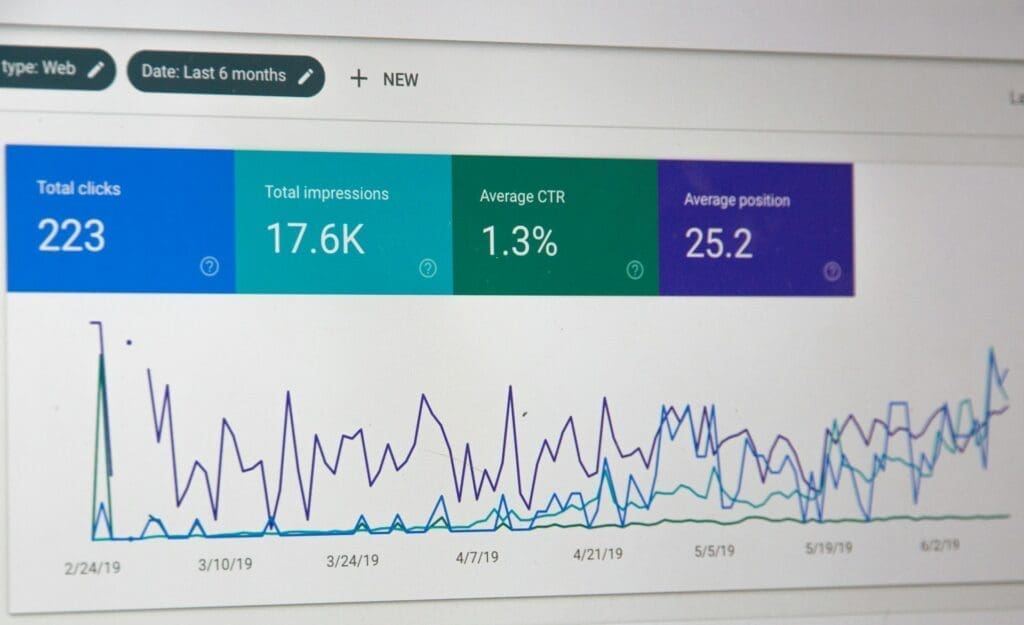
Understanding which metrics truly reflect local SEO performance is essential for continuous improvement. Key indicators include local search rankings for target keywords, click-through rates (CTRs) on your Google Business Profile, and the number of calls and direction requests generated from search results. Tracking changes in organic traffic to location-specific landing pages also provides insight into the effectiveness of your content and on-page optimization efforts.
Review metrics—such as total number of reviews, average rating, and review response time—offer valuable feedback on reputation management. Additionally, monitoring engagement on local landing pages (bounce rate, time on page, conversion rates) helps identify opportunities for UX enhancements. Using tools like Google Analytics, Google Search Console, and specialized local SEO platforms, you can set benchmarks, analyze trends, and adjust your strategies to ensure that every tactic contributes to stronger visibility and higher ROI for your local business.